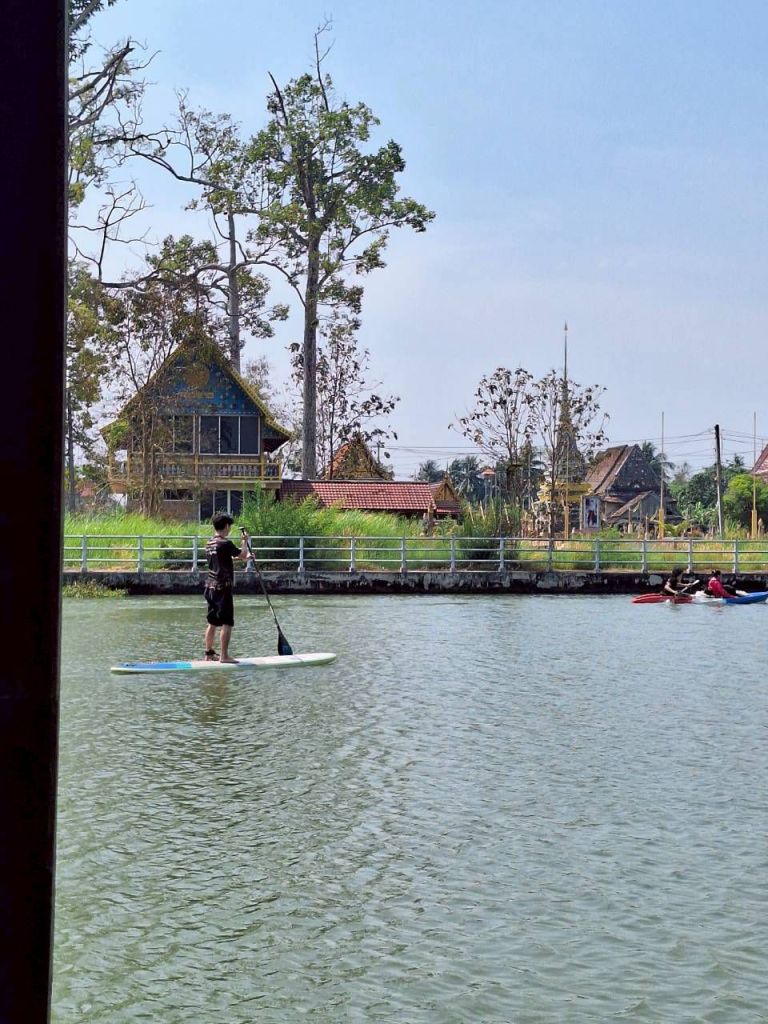
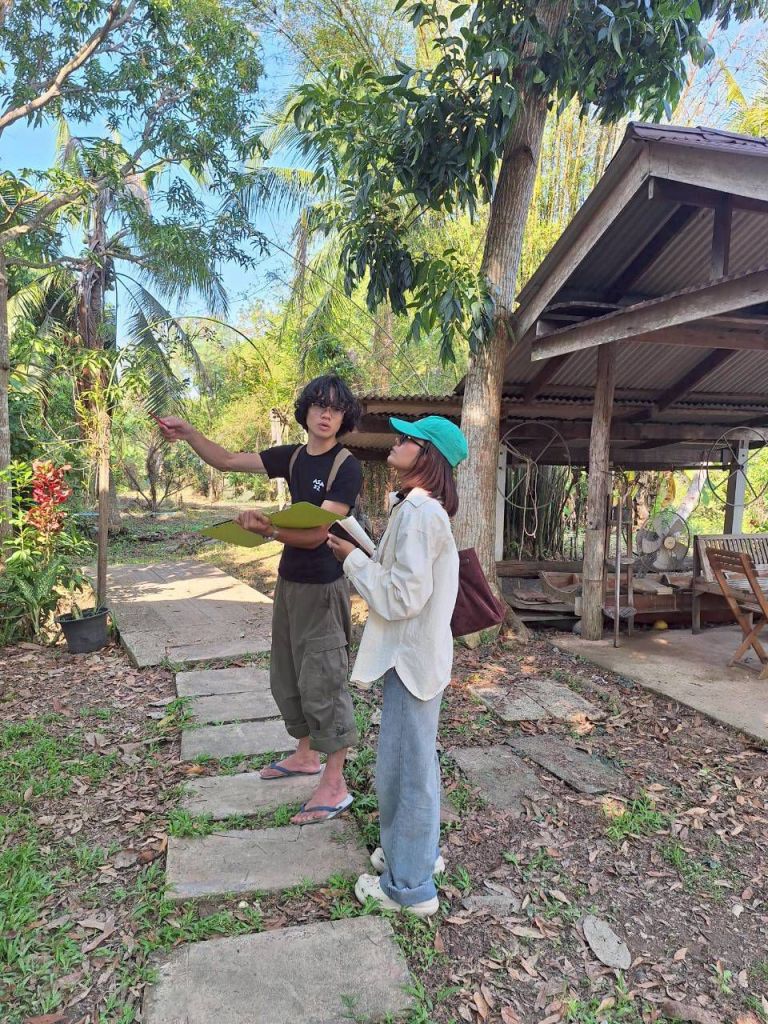
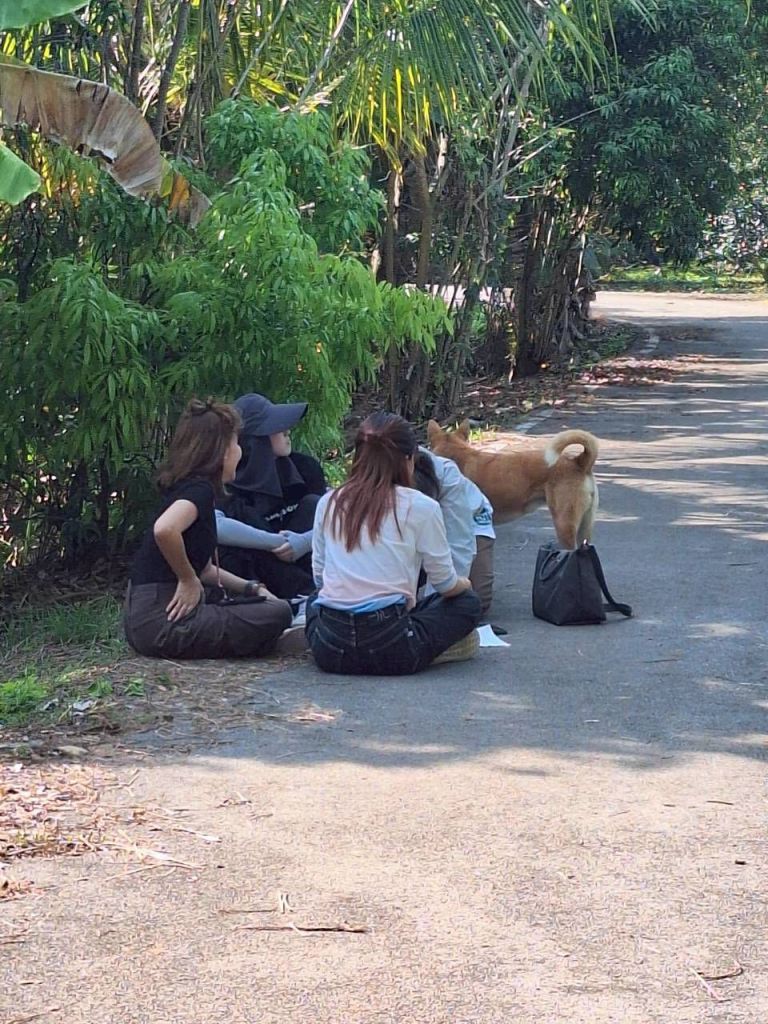
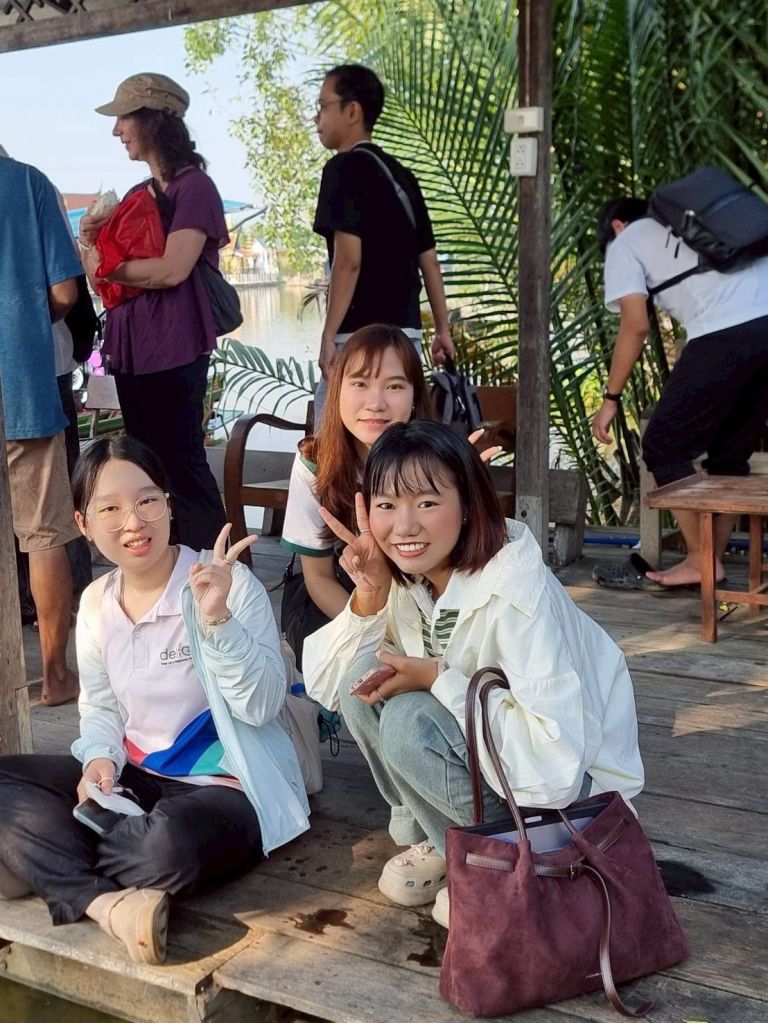
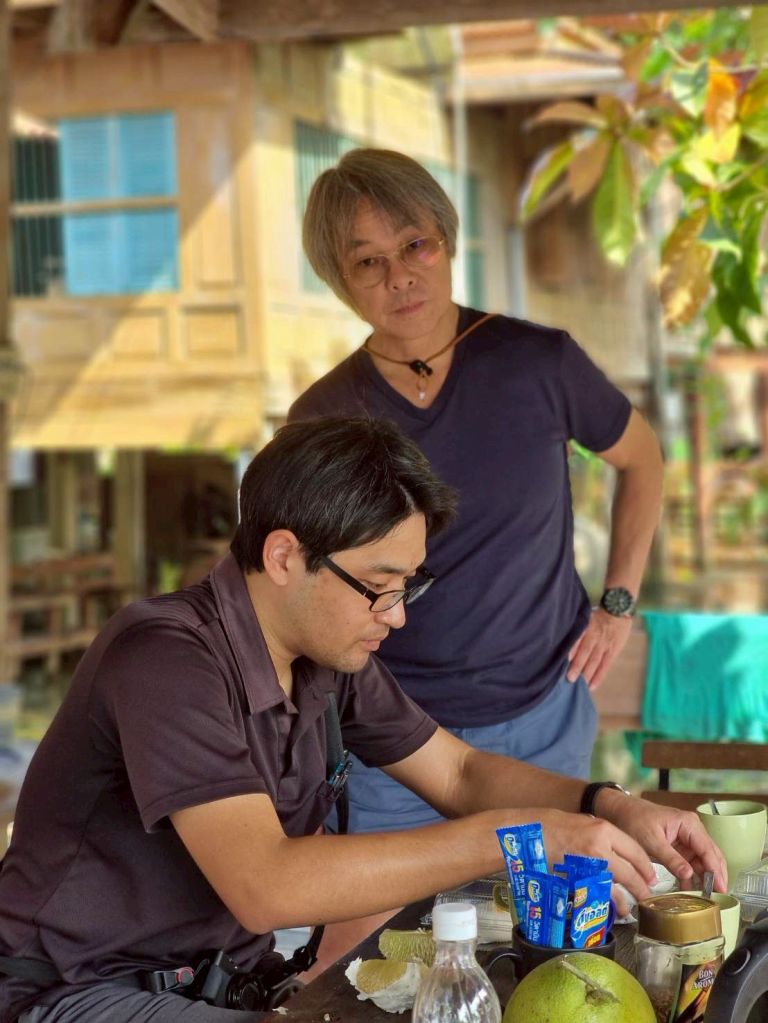
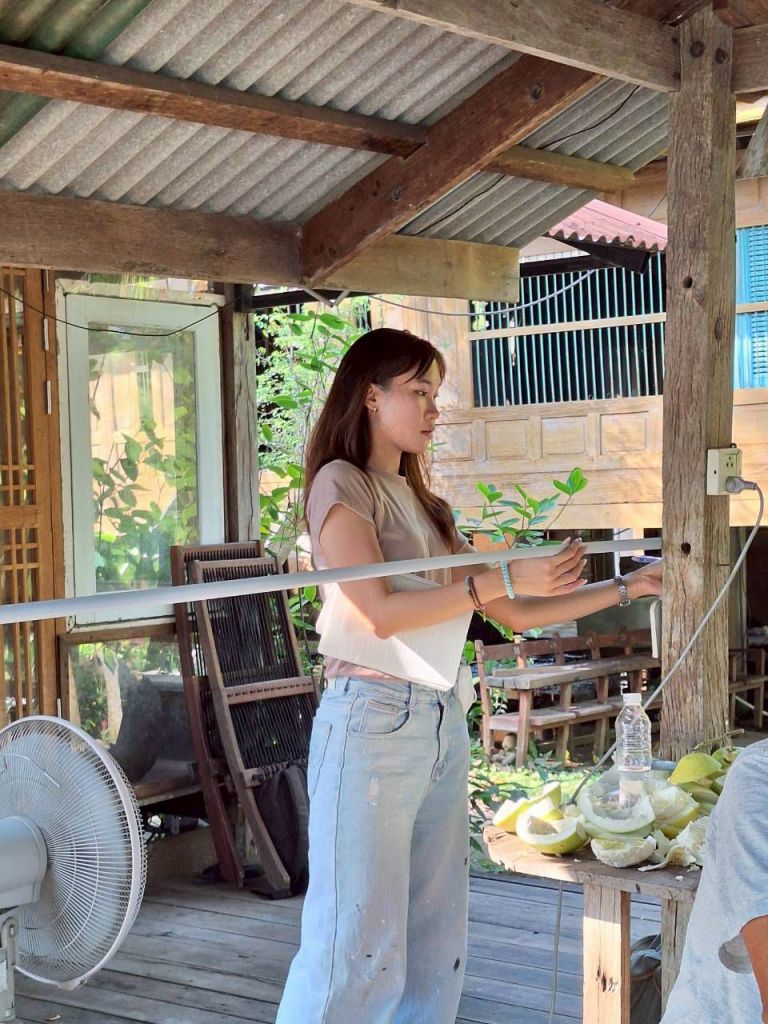
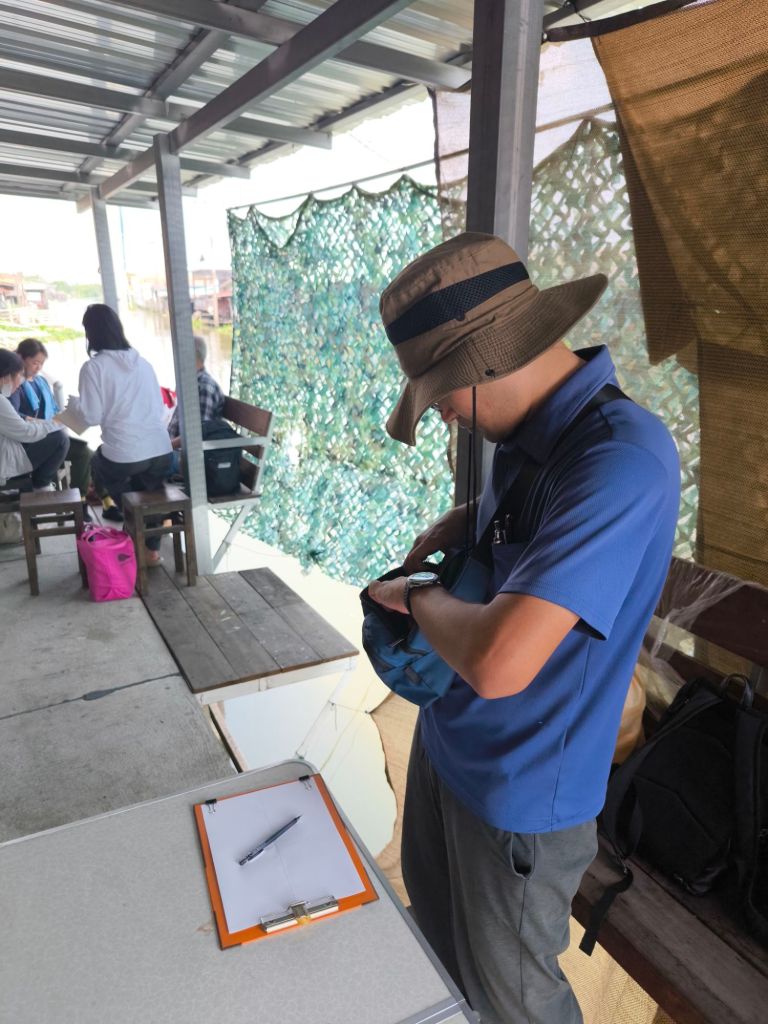
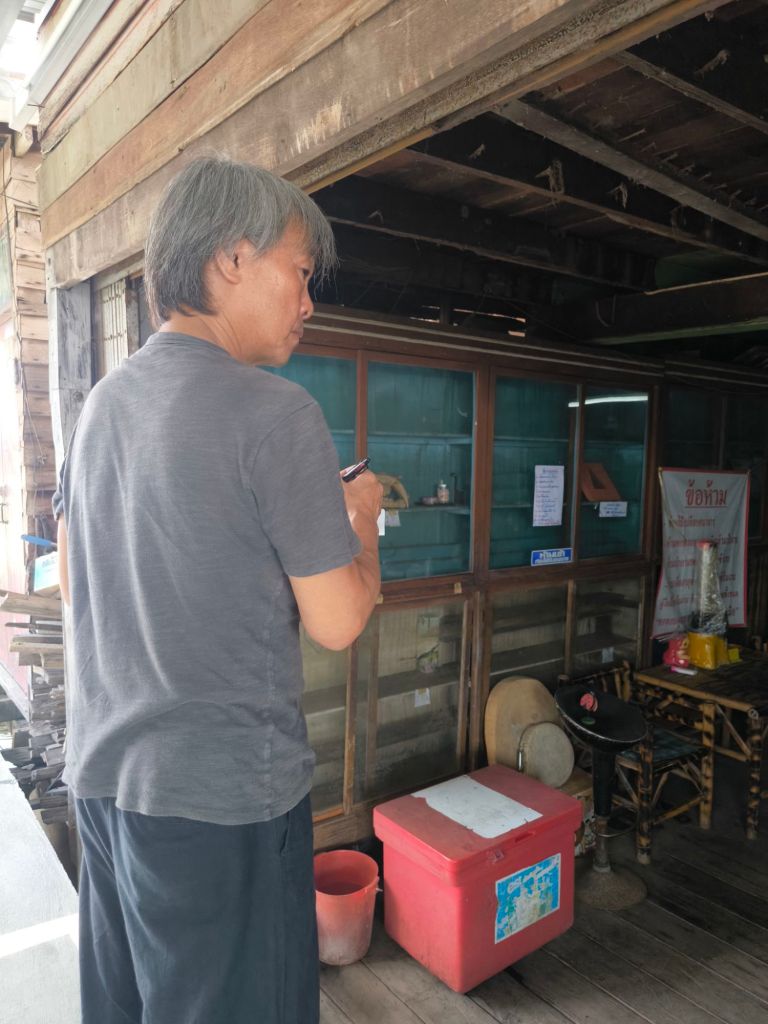
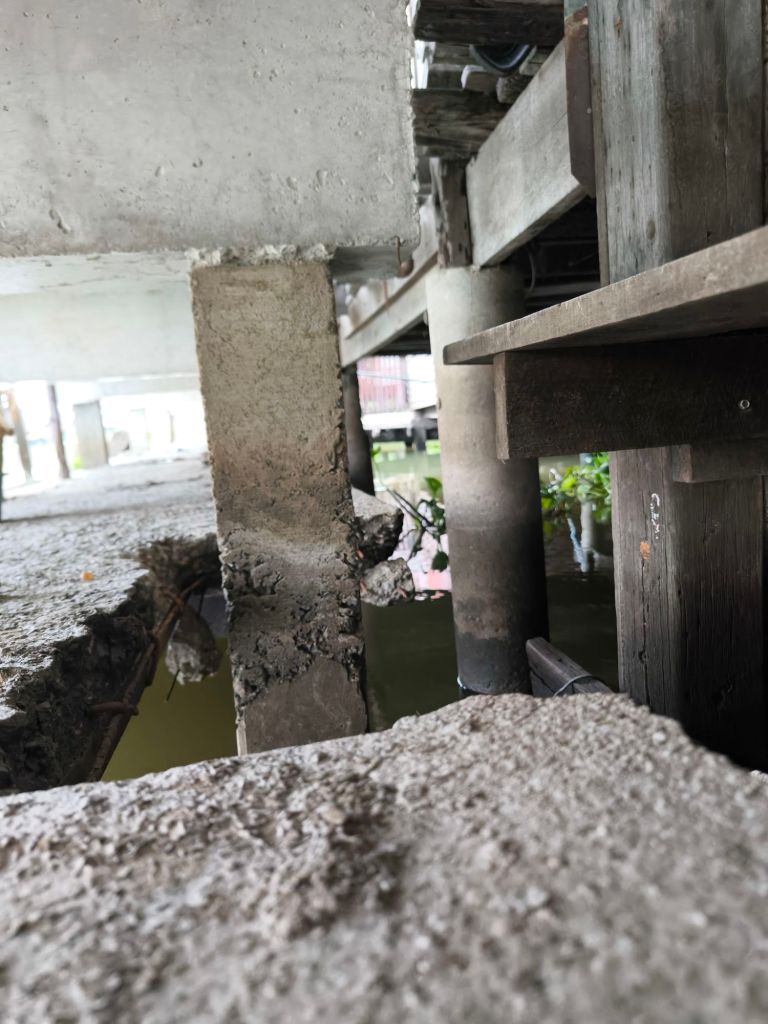
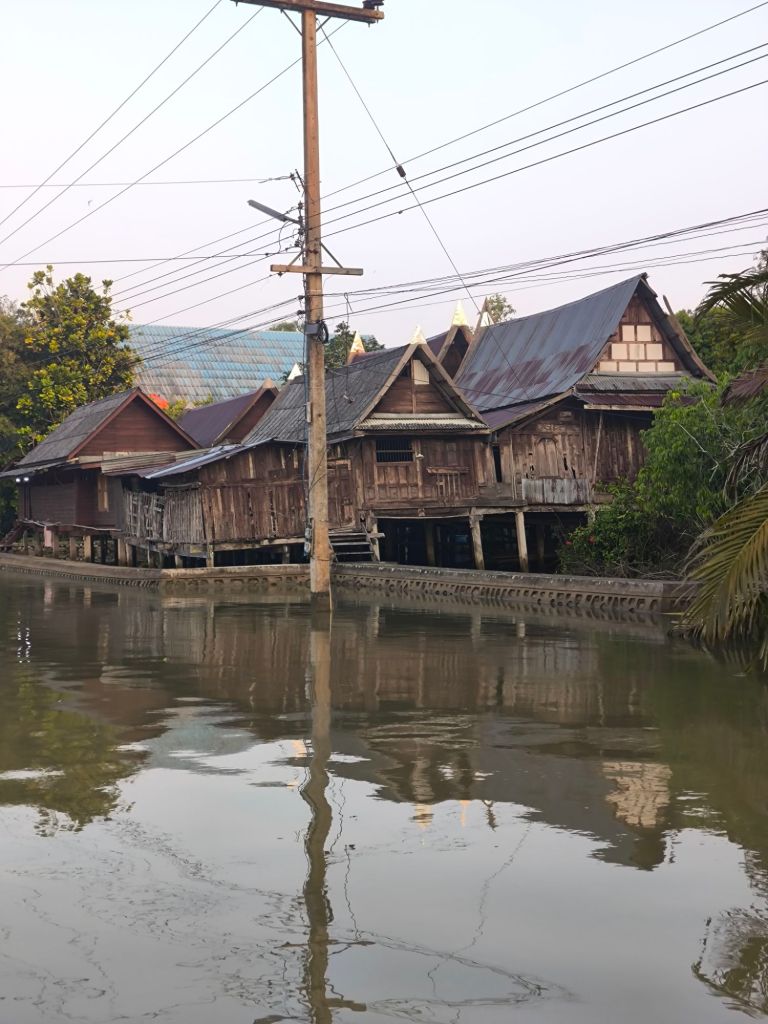
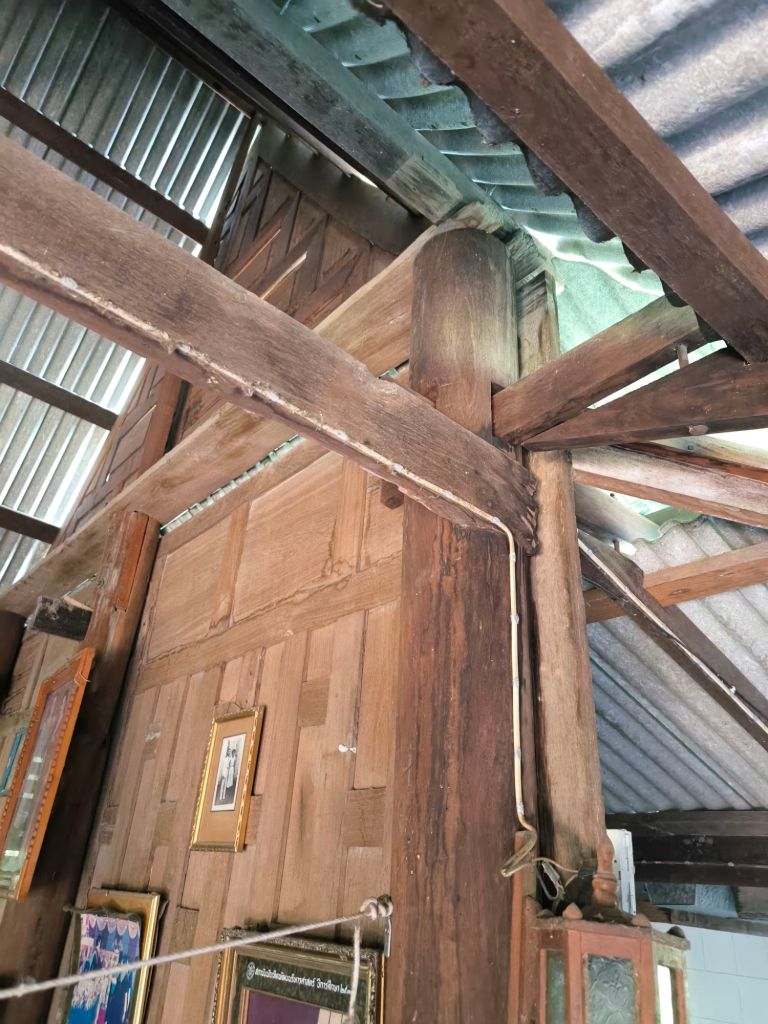
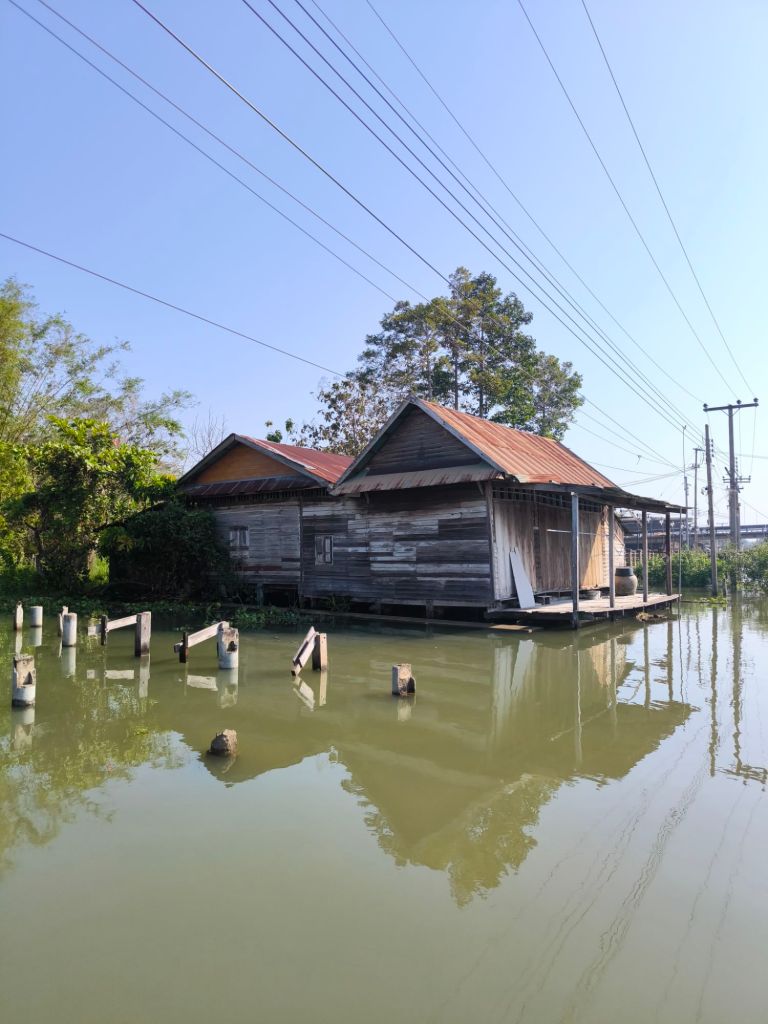
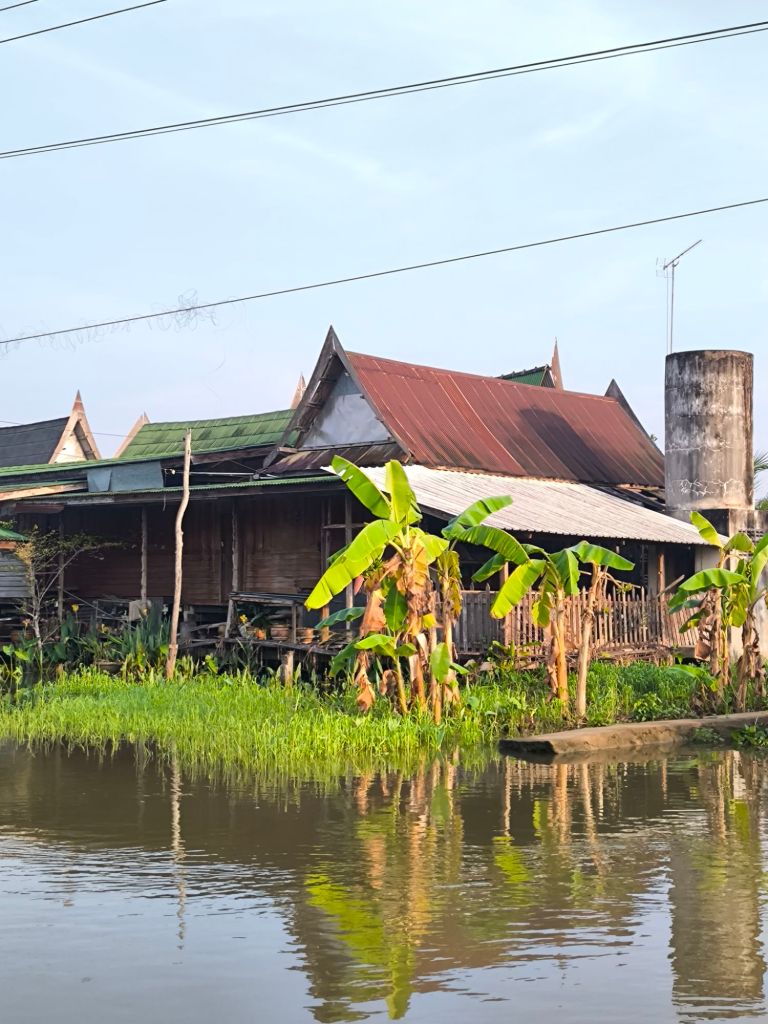
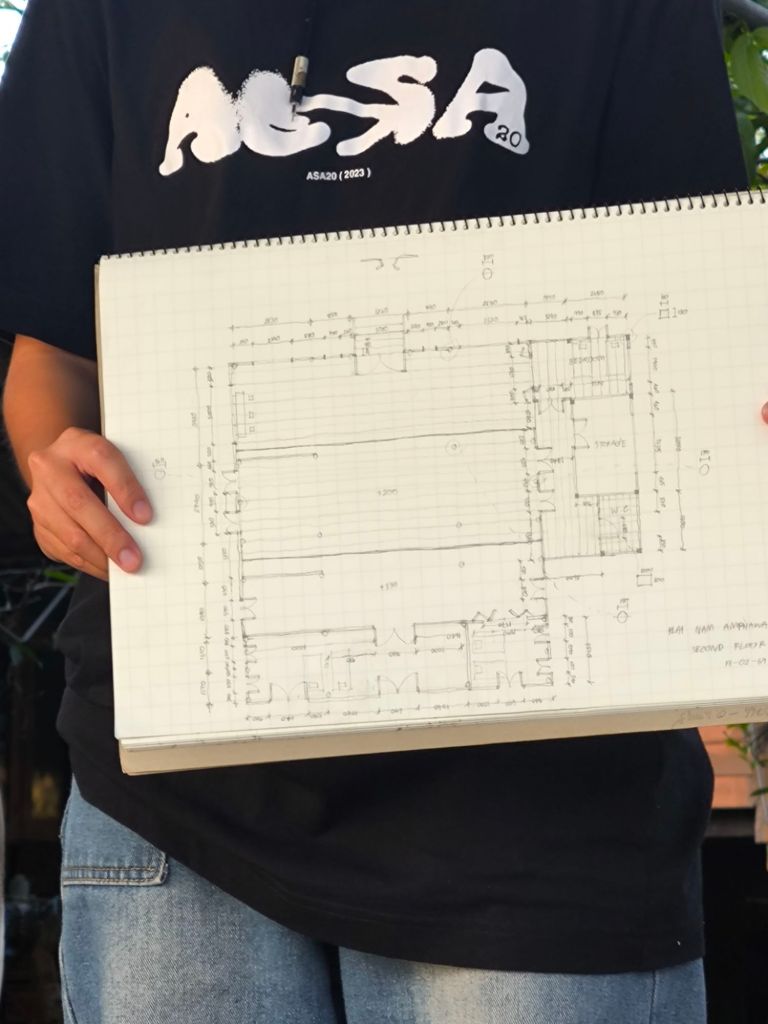
Under the project “Autonomous Restoration of Waterscapes in Humid Asia: Indigenous Knowledge and Local Cultural Practices (2025–2030)”, last week’s field survey in Khlong Aom Non and the Kwae Aom area focused on documenting two riverside buildings and their environmental context. Students engaged directly with the site through measurement, observation, and on-site discussion, examining real conditions of riverine settlements and their adaptive systems. This collaboration between Kasetsart University, Shibaura Institute of Technology, Otsuma Women’s University, and the University of Tsukuba highlights how international students can work together to explore riverside autonomy and everyday spatial adaptation grounded in local knowledge.
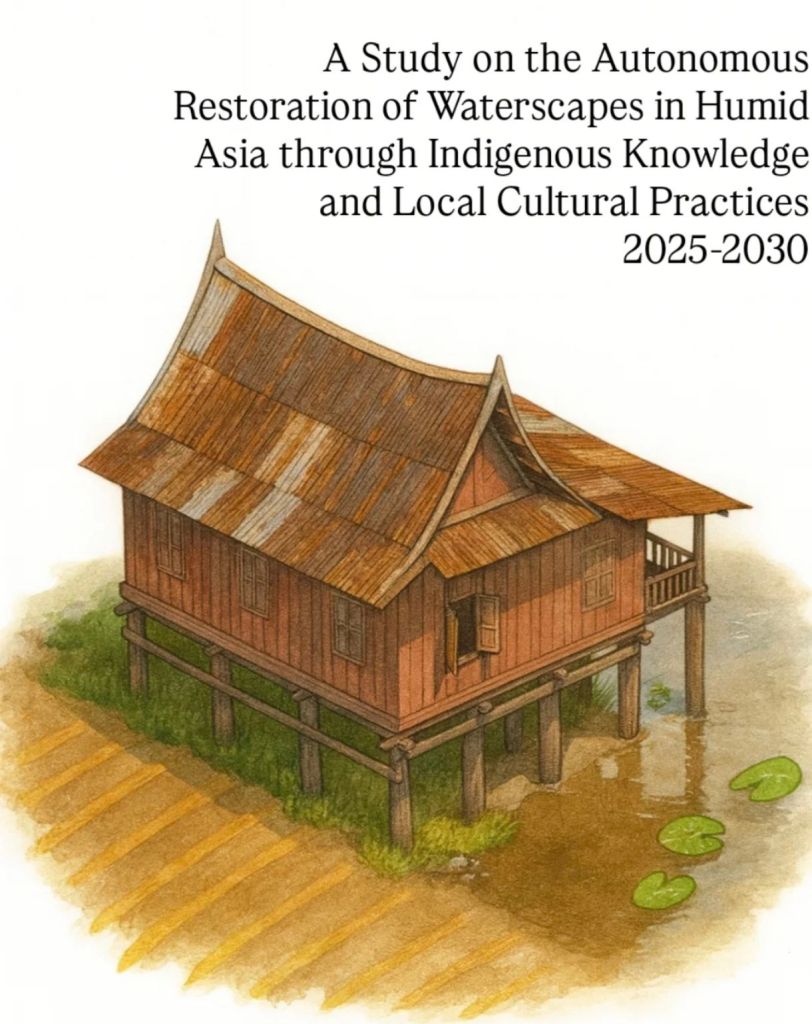
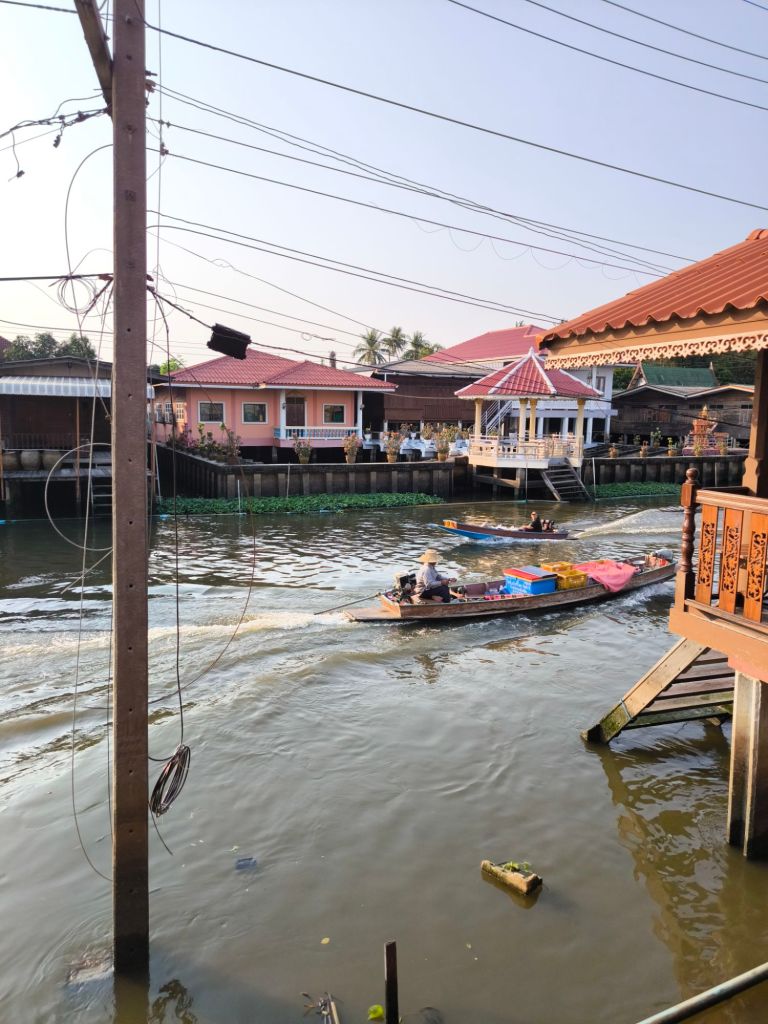
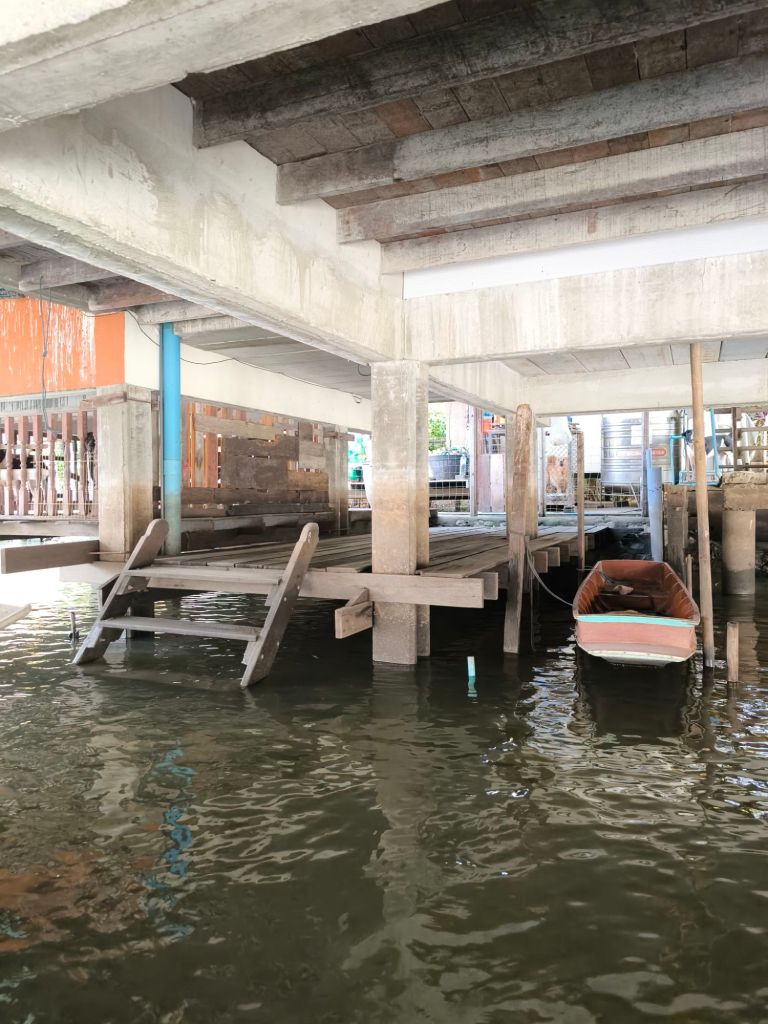
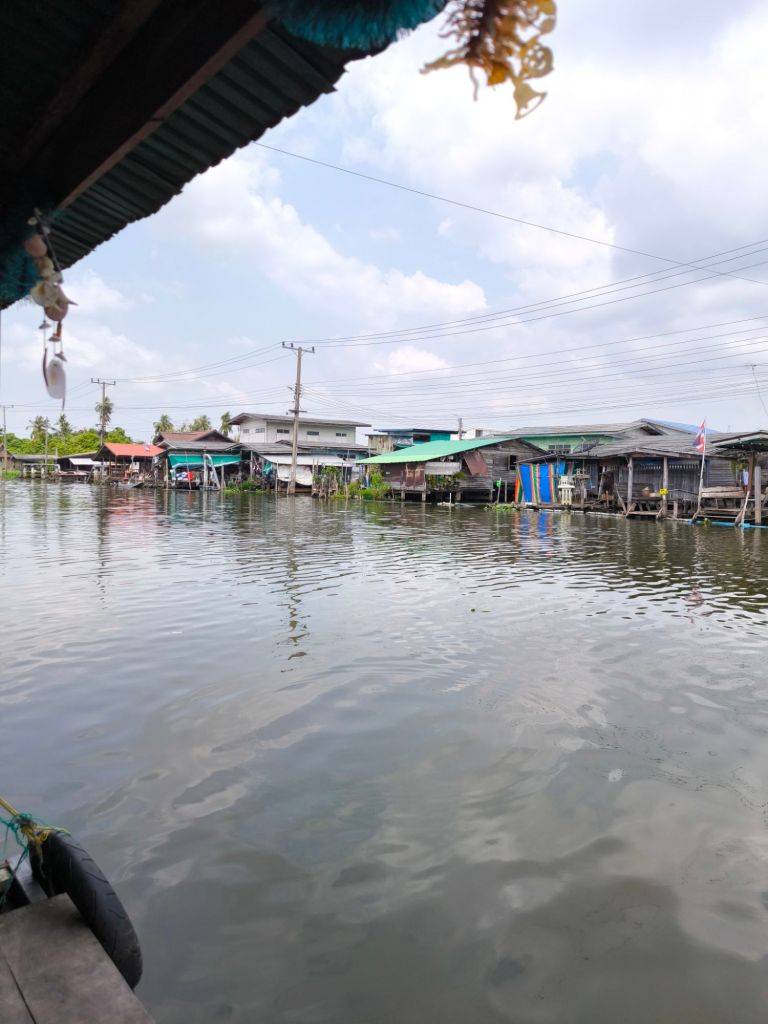
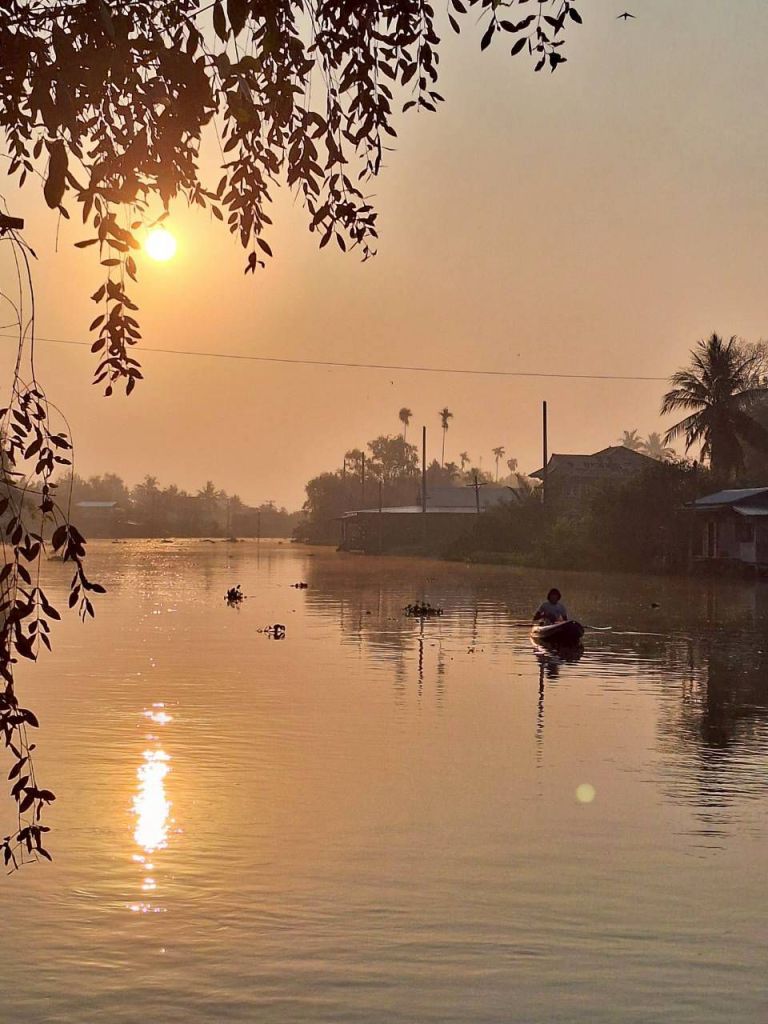
The riverside settlement represents a long-term process of adaptation rather than a recent development. For generations, local communities have negotiated seasonal flooding, tidal fluctuation, soil moisture, and riverbank erosion through incremental spatial adjustment. Houses on stilts, elevated walkways, flexible ground use, and lightweight materials reflect a continuous dialogue between built form and hydrological condition. The ground area is not fixed or permanent; it shifts in function according to water level, agricultural cycle, and household need.
Formerly, the relationship between settlement and nature was direct and practical. Local people did not resist water but worked with it, allowing periodic inundation while maintaining productive use of land. Wet ground supported aquatic plants, temporary farming, fishing activities, and boat-based mobility. This adaptive ground logic demonstrates how riverside communities historically embedded ecological knowledge into everyday spatial practice, forming a resilient cultural landscape shaped by climate and water dynamics.
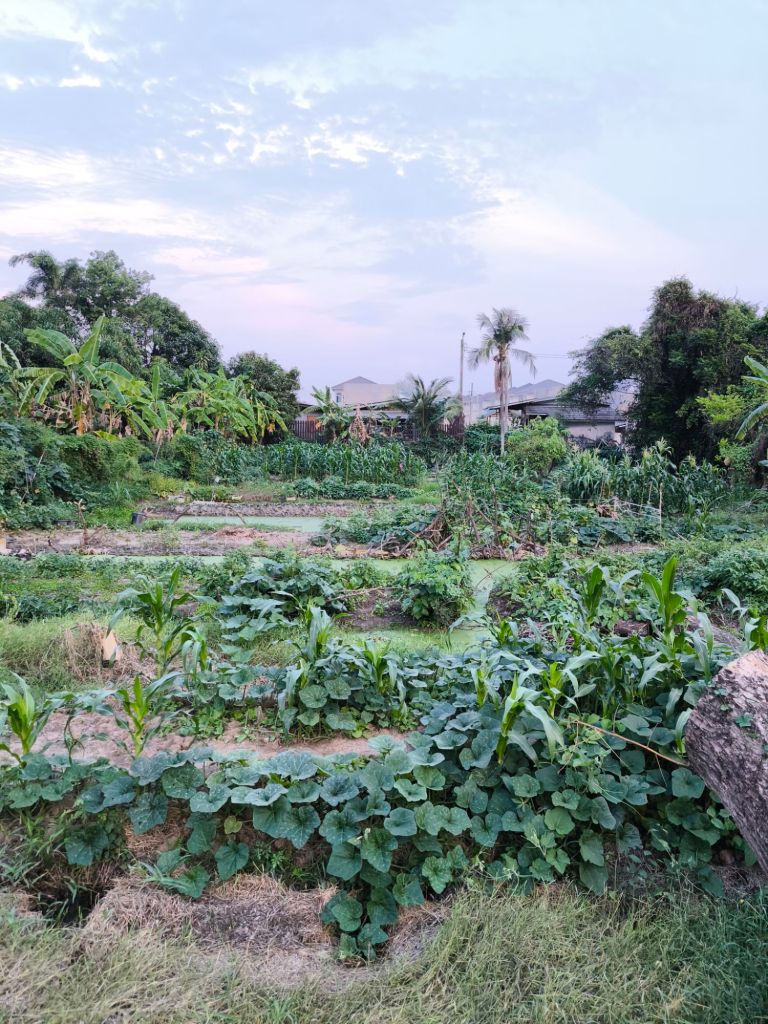
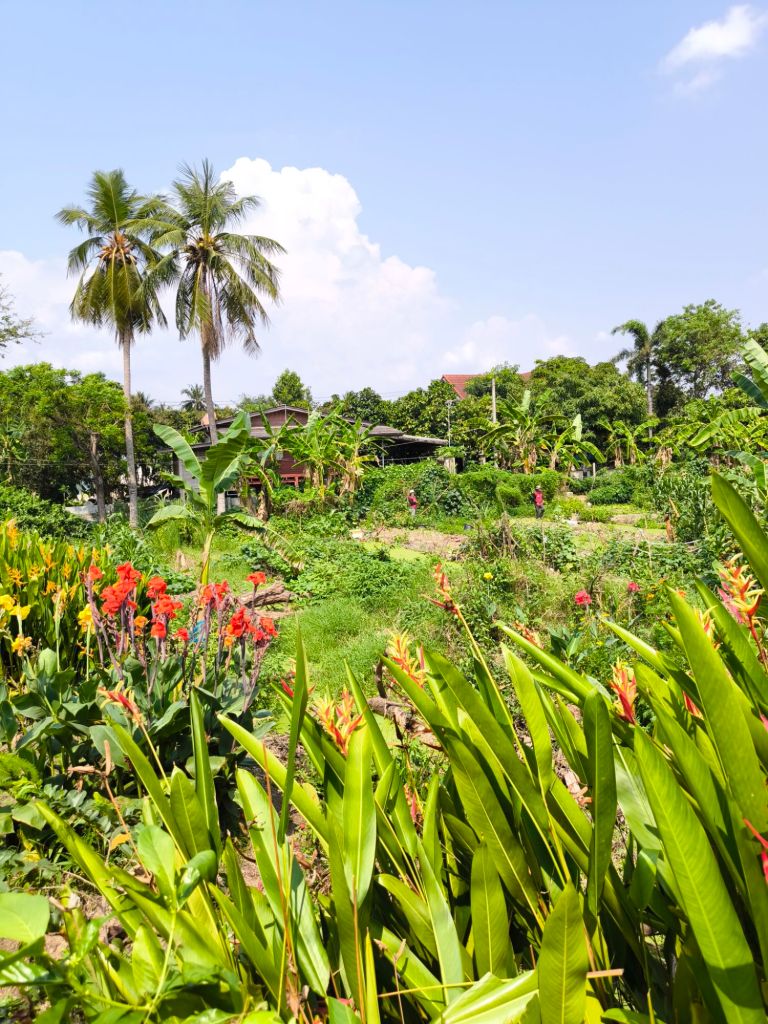
The survey also documented an informal urban farming practice within the urban fringe settlement. Renter and migrant communities clear small vacant plots and cultivate vegetables for household consumption, with surplus sold in local markets. This farming pattern emerges organically as a survival strategy embedded in everyday life and local ecological knowledge. It operates autonomously, without expert consultancy, research grants, formal planning, or external bureaucratic control. Instead, it reflects a self-organized and adaptive pattern of grassroots urban resilience, where land, water, and livelihood are directly negotiated by the community itself.




 Riverfront research alliance
Leave a comment