Our Alliance
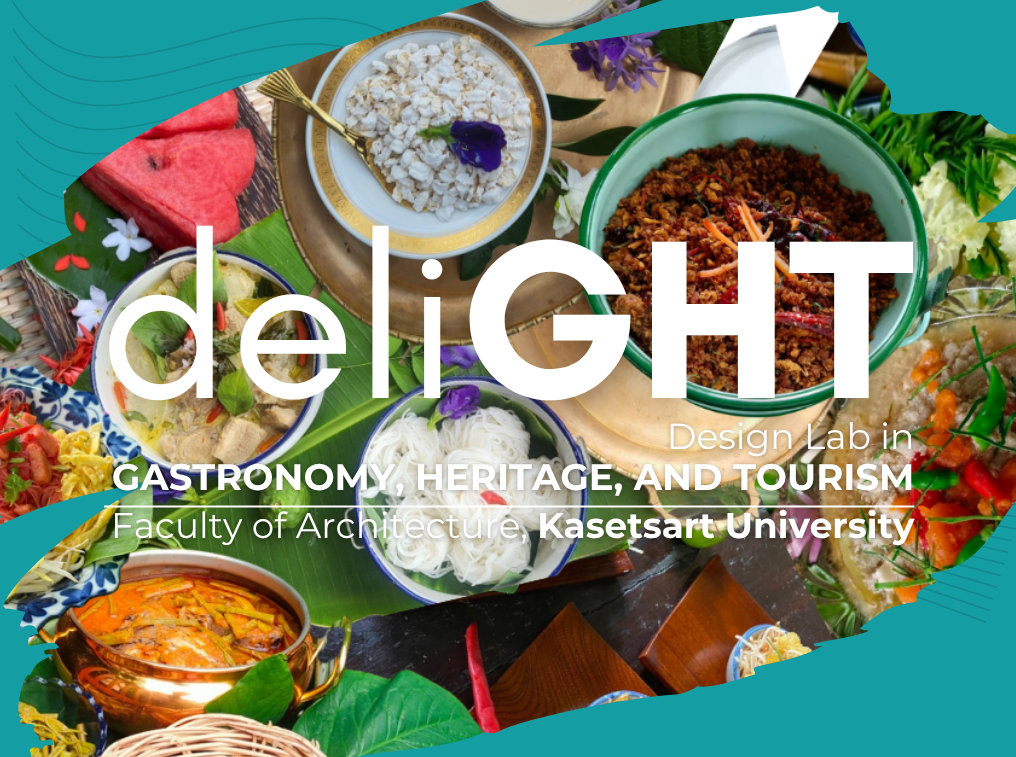
Design Lab in GASTRONOMY, HERITAGE, AND TOURISM
The Design Lab in Gastronomy, Heritage, and Tourism (deliGHT) is an innovative research platform that integrates the study of food, culture, and tourism to foster sustainable community development. deliGHT mission is to explore the dynamic interplay between gastronomy, cultural heritage, and tourism, creating opportunities for knowledge exchange and community empowerment. By examining the role of food as a cultural and social connector, we aim to develop strategies that support local economies while preserving intangible cultural heritage.
Visit deliGHT at https://research.ku.ac.th/Resource/Unit/Delight/
pA PI PIE
PaPiPie offers a hands-on paddling activity designed to connect participants with waterways and riverside communities. It combines kayaking or paddleboarding with environmental awareness, such as waste collection and observing local ecosystems, while also engaging with community stories and cultural practices. The program highlights water heritage, community participation, and sustainability, offering experiential learning through direct interaction with the river environment.
Visit PA PI PIE at https://www.facebook.com/PaPiPieTH
Thailand water heritage coalition
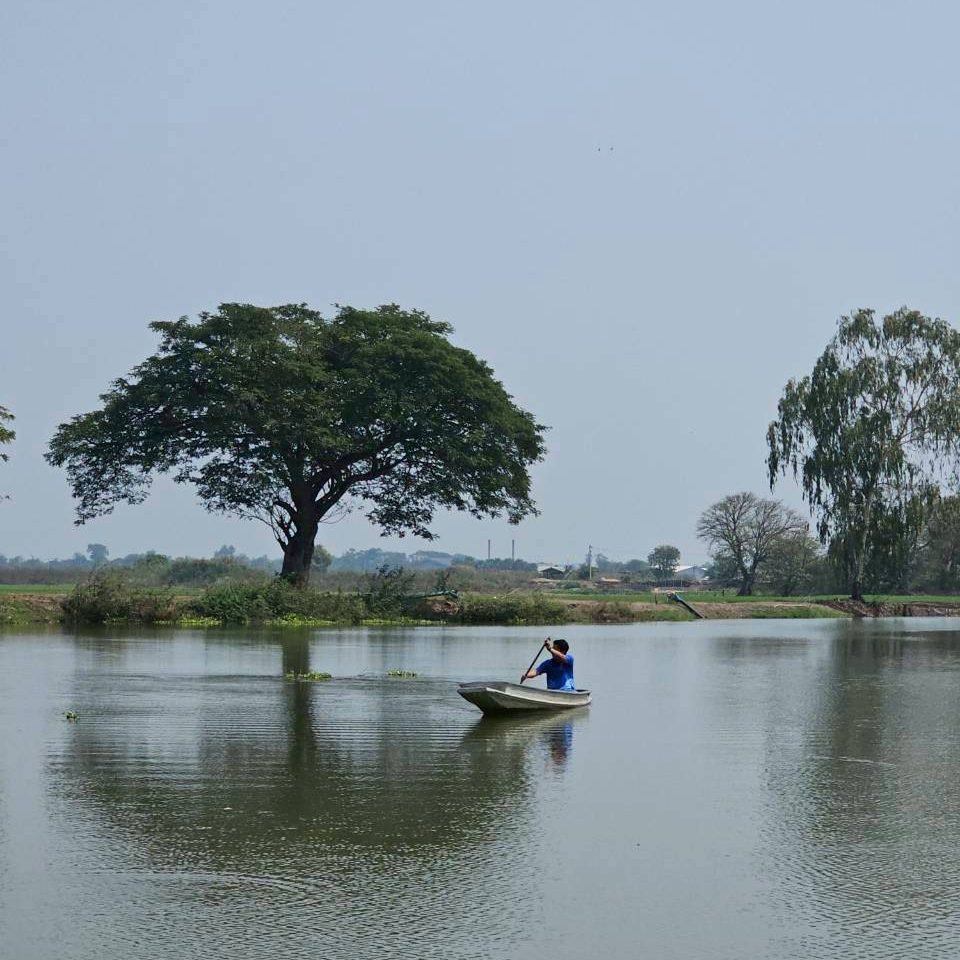
The Thailand Water Heritage Coalition (TWHC) is a collaborative platform that brings together academic institutions, community networks, civil society, and practice-based initiatives to advance the understanding, protection, and activation of water heritage across Thailand. The coalition focuses on rivers, canals, estuarine systems, and floodplain landscapes as living heritage systems, where culture, ecology, and everyday life remain deeply interconnected.
TWHC mission is to promote an integrated approach to water heritage by linking research, education, and community engagement. It aims to reposition water not only as infrastructure or risk, but as a shared cultural resource that sustains identity, livelihoods, and resilience. Through this approach, the coalition supports both knowledge production and practical action in riverine and waterfront contexts.
The coalition operates through three core directions. First, research and knowledge exchange, including interdisciplinary studies on riverine cultural landscapes, water-based settlements, and climate adaptation. Second, education and capacity building, through workshops, field-based learning, and international collaboration platforms that connect students, researchers, and local communities. Third, community engagement and activation, supporting initiatives that reconnect people with waterways through activities such as paddling, heritage interpretation, and local storytelling.

