OUR STORY
The Riverfront Research Alliance emerged from a recognition of the critical need to examine rivers not merely as physical or ecological systems, but as complex cultural landscapes shaped by long-standing human–water interactions. Initial efforts were grounded in site-specific research across the Chao Phraya River Basin, particularly in historically layered settlements such as Ayutthaya, Nonthaburi, and the Sena Trough. These early studies aimed to document the spatial, ecological, and socio-cultural dimensions of riverine life, drawing on interdisciplinary approaches that combined architectural analysis, cultural heritage studies, and ethnographic fieldwork.
Through successive collaborations among scholars, students, and local stakeholders, it became clear that the challenges facing riverfront communities, ranging from rapid urbanization to climate vulnerability, required a new form of research alliance. One that could integrate diverse knowledge systems, bridge academic inquiry with community engagement, and foster comparative understanding across regional contexts. The alliance thus developed organically, through joint field activities, knowledge exchanges, and participatory research frameworks involving institutions in Thailand, Japan, and the wider Asia-Pacific region.
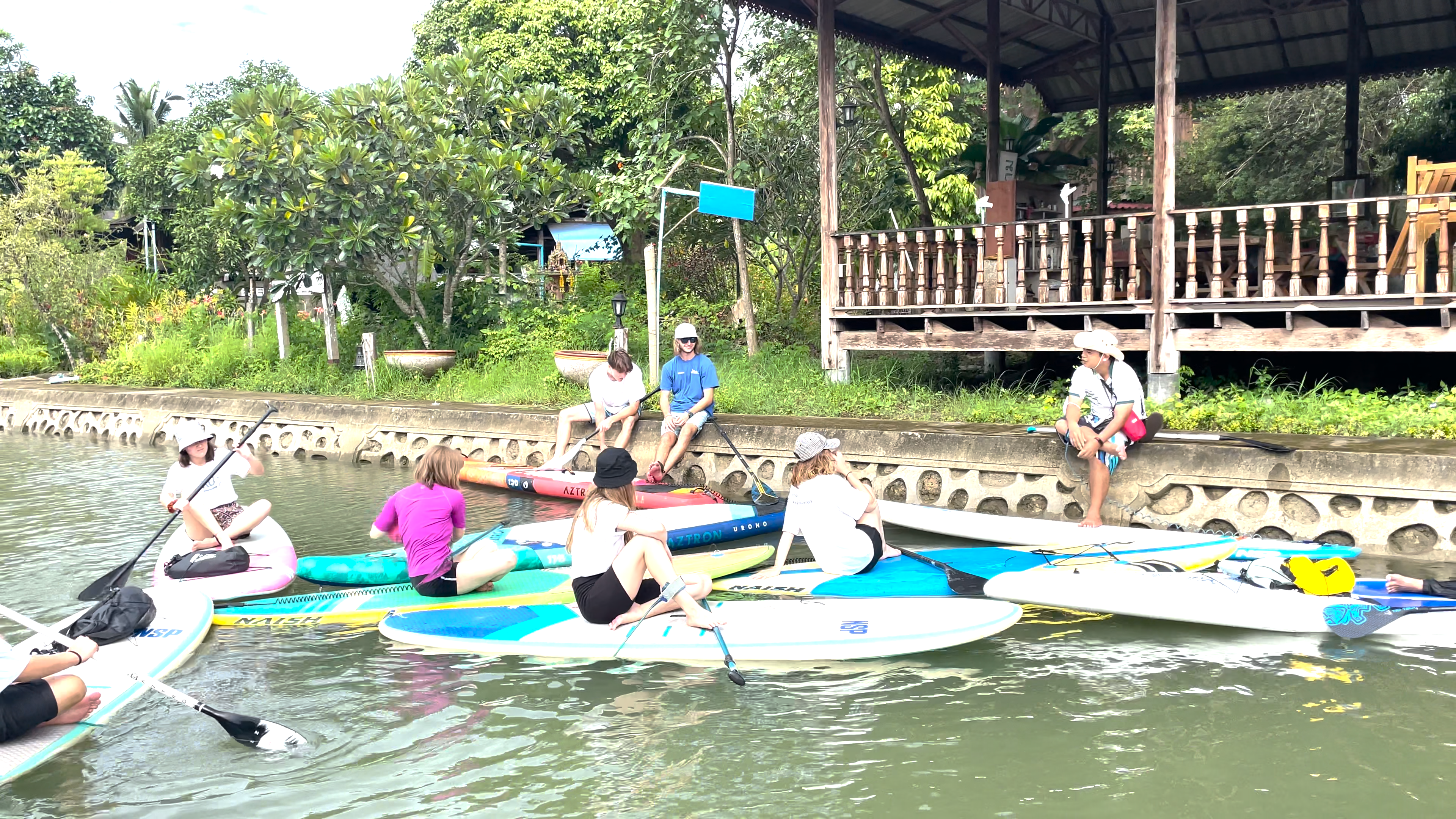
At its core, the Riverfront Research Alliance is grounded in a shared commitment to studying riverfronts as living heritage. It advocates for inclusive, field-oriented scholarship that foregrounds local agency, vernacular knowledge, and the evolving relationships between water, place, and culture. The alliance continues to grow as a platform for transdisciplinary collaboration, responding to both site-specific realities and broader global questions of sustainability, resilience, and cultural continuity along the world’s riverscapes.
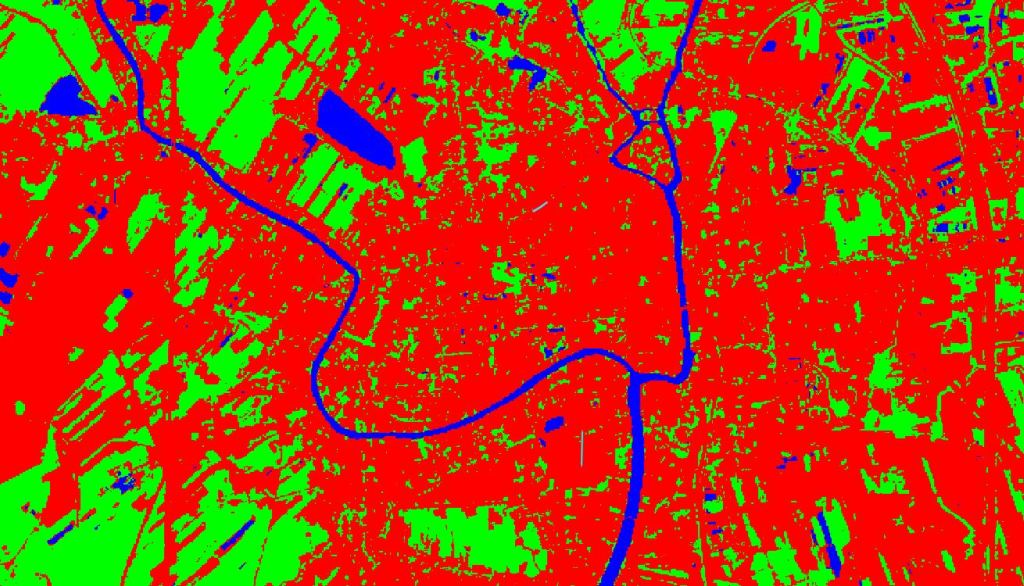
Today, the Riverfront Research Alliance functions as a transdisciplinary platform that brings together researchers, educators, students, and community practitioners dedicated to advancing the understanding and stewardship of riverine cultural landscapes. Our members represent a wide range of disciplines; architecture, anthropology, geography, heritage studies, and environmental design, united by a shared interest in the lived dimensions of water-based settlements and their adaptive capacities in the face of environmental and socio-economic change.
The alliance engages in collaborative fieldwork, thematic workshops, academic exchanges, and policy dialogues that seek to integrate empirical research with community-based action. Ongoing projects span from heritage mapping and spatial analysis to the study of biocultural food systems, flood-responsive design, and the socio-political dynamics of waterfront transformation. Each initiative is grounded in local contexts yet contributes to comparative frameworks that inform regional and global discourse on water heritage and sustainable development.
 Riverfront research alliance